The Rise of Telemedicine Platforms The Rise of Telemedicine Platforms
Digital Transformation
  • By Admin
  • 15 July, 2025
  • 6 min Read

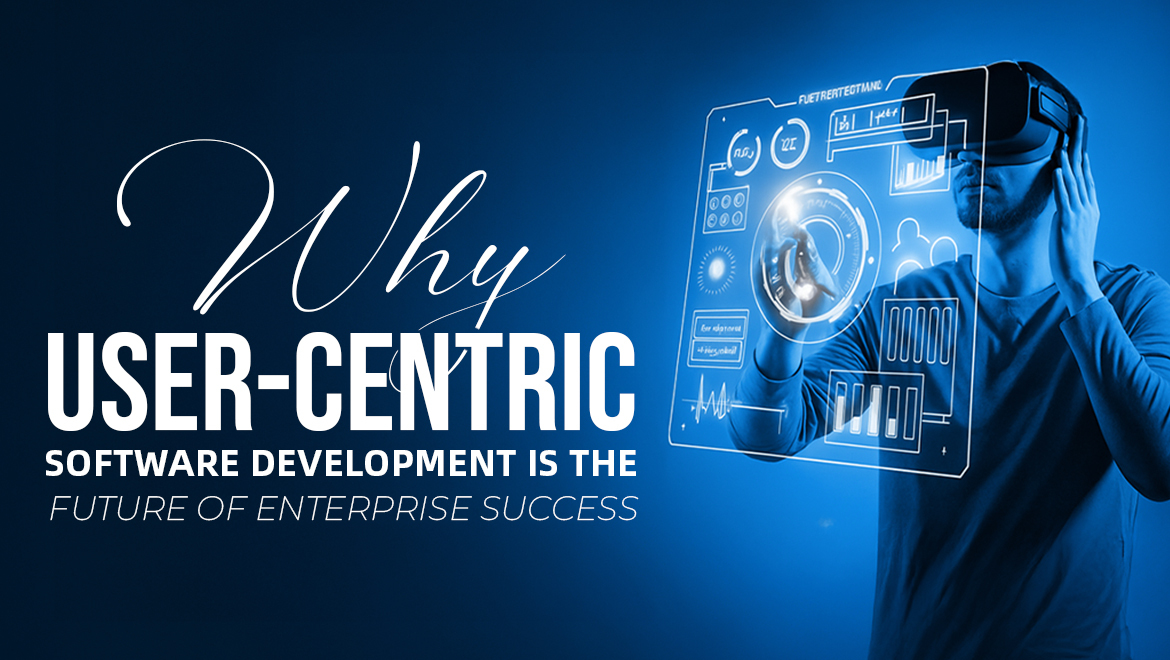
Why User-Centric Software Development is the Future of Enterprise Success

In today's fast-paced digital ecosystem, enterprises no longer succeed with generic software solutions. Instead, they thrive with user-centric software development—solutions tailored to their real workflows, challenges, and visions. At Aryabh Consulting Inc., we specialize in designing scalable, secure, and business-first software solutions rooted in deep user understanding and strategic consulting.

What is User-Centric Software Development?

User-centric software development is an approach that prioritizes the needs, expectations, and challenges of end-users throughout the entire development lifecycle. Unlike traditional models that often follow a rigid, feature-driven path, user-centric development ensures software evolves around real human and organizational workflows—creating solutions that are not just functional but intuitive and scalable.

This method goes beyond UX/UI. It incorporates business context, operations logic, employee feedback, data flow mapping, and technology infrastructure—all harmonized into a custom-built digital solution.

Key Components of User-Centric Software for Businesses & Enterprises

  • Business Consulting & Analysis: Understanding business pain points, workflows, and user roles before writing a single line of code.
  • Collaborative Design Thinking: Engaging stakeholders early to define intuitive user journeys.
  • Custom Software Architecture: Solutions built from the ground up using modular, scalable, and secure architecture.
  • Agile Development & Testing: Frequent iterations based on user feedback and business goals.
  • Application Integration: Seamless communication across legacy and new systems.
  • Scalable Infrastructure: Cloud-native or hybrid environments that grow with your business.
  • Ongoing Support & Optimization: Continuous enhancements, monitoring, and updates post-deployment.

Our Step-by-Step Approach to Building User-Centric Software

At Aryabh Consulting, we follow a time-tested yet flexible framework:

1. Discovery & Consultation

Our consulting-led model starts with understanding your vision, objectives, and challenges. We don’t sell software first—we listen first.

2. Business Analysis & Requirements Gathering

Through workshops, audits, and stakeholder interviews, we outline the real problem areas and define solution goals.

3. Strategy & Roadmap

We develop a roadmap for design, development, integration, and scale—aligned with your enterprise’s long-term goals.

4. Custom Software Development

We build software that’s robust, extensible, and uniquely yours—you own the code.

5. Integration & Data Management

We ensure seamless integration with your existing platforms and create centralized data systems for real-time insights.

6. Deployment & Change Management

We manage deployment with training and user adoption strategies to ensure smooth transitions.

7. Continuous Support

We stay with you post-launch with performance monitoring, updates, and 24/7 help desk support.

Why Consulting Comes First—And Always Should

Software consulting is not optional—it’s essential. At Aryabh Consulting, our process begins with in-depth consultations to understand your business model, people, tech environment, and long-term goals. This ensures mutual clarity, aligned expectations, and a solution that fits like a glove.

Without consulting, development is guesswork. With it, it becomes a strategic investment

Why Businesses Are Choosing User-Centric Development

According to a McKinsey report, 70% of digital transformations fail—often due to poor user alignment and lack of stakeholder engagement. In contrast, companies that invest in user-centric design see a 200% higher ROI than those who don’t (Forrester Research).

Enterprise leaders are increasingly recognizing that generic software leads to:

  • Poor adoption
  • Low productivity
  • Expensive workarounds
  • Integration challenges

User-centric solutions, like those we deliver at Aryabh, overcome all of the above—making them the smarter choice for enterprises in every vertical.

Why Choose Aryabh Consulting for User-Centric Software?

We’re not just developers—we’re problem solvers and strategic partners. Here’s what sets us apart:

  • Customization Over Templates: Our solutions aren’t confined to pre-built tools; we build around your business—not the other way around.
  • Code Ownership: You retain full ownership of your solution—allowing future upgrades and flexibility.
  • Cross-Domain Expertise: Whether it's healthcare, manufacturing, or finance—we build domain-aligned solutions that deliver real value.
  • Data & Security First: Every solution is built with cybersecurity, compliance (HIPAA, GDPR), and performance optimization in mind.
  • 24/7 Support: Our team is available round-the-clock for help desk, performance monitoring, and iterative enhancements.

Aryabh’s Unique Approach

At Aryabh Consulting, we focus on three guiding pillars:

  • Consult First, Code Later: Strategy before execution ensures precision
  • Build What You Actually Need: No fluff, no bloat—just impactful solutions.
  • Scale Without Limitations: Architecture that grows with your business, not against it.
This article is intended solely as a technical overview based on our insights and understanding of current technology trends. It does not promote, endorse, or represent any specific company, product, or individual. The content is purely informational and reflects our independent perspective on the subject.
1

Related Blogs

Why Organizations Are Moving From Generic Tools to Custom Workflow Software
Digital Transformation

Why Organizations Are Moving From Generic Tools to Custom Workflow Software

By ACI 9 min Read

Organizations across the United States are under constant pressure to operate with more accuracy, more clarity, and less friction. Many teams rely on generic software tools to manage tasks, communication, and operational workflows. These tools work well for simple needs. They often fail when operations expand, when compliance becomes complex, or when teams require systems that match their real processes. This is why more businesses are shifting to user-centric workflow software. They want software that reflects how they work, not the other way around. The shift is especially strong in enterprise IT environments where teams manage large workloads, multi-department operations, and strict security requirements. Leaders want systems that improve efficiency, support digital transformation, and give them more control over their data. They also want solutions that scale without disruption. Custom software development has become a direct answer to these needs. It gives organizations full ownership, better security, and a long-term foundation for growth. Aryabh Consulting Inc. supports this shift with custom workflow platforms built through a user first approach. The firm combines enterprise software solutions, secure software engineering, API driven integrations, and lifecycle support with SLA backed commitments. This combination allows organizations to upgrade their operations with confidence. The Limits of Generic Tools for Enterprise Operations Generic tools are attractive because they are fast to set up and easy to test. Once organizations expand beyond small teams, these tools introduce friction. They create gaps that slow down operations and increase dependency on manual work. Common limitations include: Poor fit for real workflows Enterprise workflows are often complex. They involve multiple approvals, conditional routing, and data checks. Generic tools follow fixed templates that cannot adapt to real business rules. As a result, teams build workarounds through emails and spreadsheets. This makes processes slower and harder to monitor. Limited integration capabilities Enterprise IT environments depend on different systems for HR, finance, customer data, field operations, and compliance. Most generic platforms cannot integrate deeply with legacy systems, internal APIs, or custom databases. This creates isolated workflows that reduce visibility and accuracy. Security and data control concerns Generic platforms often manage data on shared cloud environments with broad access layers. Enterprise teams require secure software with reliable governance, clear access rules, and strong encryption. They also need workflows that support compliance frameworks. This is not possible with one size fits all tools. Lack of scalability Many tools slow down or fail when user volume increases. Enterprise organizations need scalable software that supports peak workloads and multi-region usage without performance drop. Limited ownership Businesses depend on the vendor’s roadmap. If the vendor changes features or pricing, the organization has little control. Custom workflow software removes this dependency. These challenges show why many organizations start with generic tools but later outgrow them. The need for predictable operations becomes stronger as they scale. Why Custom Workflow Software Has Become the Preferred Choice Custom workflow software development gives organizations a system that aligns with their work style, security priorities, and long-term digital strategy. It avoids the restrictions of generic platforms and offers these advantages. Workflows designed for the organization Custom software supports real tasks, real approval steps, real roles, and real data paths. It matches how teams already operate. It reduces training needs because users understand the flow immediately. This helps organizations streamline processes without forcing behavioral change. Scalable architecture Custom workflows are built on architectures that support growth. Businesses can expand to new departments, add new rules, or introduce new automation without switching platforms. Scalable software supports both operational flexibility and long-term investment planning. Better security and compliance Enterprises depend on secure software that aligns with governance standards. Custom development allows teams to define access rules, audit logs, encryption layers, and compliance workflows based on their internal policies. This is essential for regulated segments of enterprise IT. Clear integration with existing systems Custom workflow software connects seamlessly with ERPs, CRMs, HR systems, legacy tools, and cloud environments. This creates consistent data flow across operations and removes the need for manual data entry. Improved user experience A user first approach ensures software reflects user needs. Interfaces remain clear. Processes remain simple. Adoption becomes easier. Teams waste less time navigating complicated menus or generic templates. Full ownership Organizations control their features, roadmap, and cost structure. They can add new automation rules, update system modules, or expand capacity. They are not restricted by external vendors. This combination makes custom workflow platforms more efficient for medium and large enterprises. It also supports sustainable digital transformation. How Custom Workflow Software Supports Enterprise IT and Digital Transformation Enterprise IT teams face constant pressure to deliver reliable systems while supporting innovation. Custom workflow software plays an essential role in this environment. Benefits include: Reduced operational delays: Automated routing, structured approval paths, and real-time notifications reduce delays across teams. Better visibility: Dashboard views, audit trails, and central reporting give leaders a clear view of operations. This improves decision making. Less manual work: Automation removes repetitive steps, reduces errors, and helps employees focus on higher value tasks. Consistent processes: Standardized workflows produce predictable outcomes. This improves compliance and operational discipline. Improved collaboration: Integrated systems help teams from different departments work together without friction. Better alignment with digital transformation goals: Custom software supports long term modernization. It provides a strong foundation for cloud adoption, AI driven automation, and data strategy development. Each of these advantages supports enterprise leaders who want to modernize operations without disrupting existing systems. Why Decision Makers Prefer a Consulting Led Development Approach Custom workflow software development is most effective when it begins with consulting. Enterprise leaders want guidance when mapping workflows, evaluating risks, and designing secure architectures. A consulting led model helps organizations: Understand existing bottlenecks Identify redundant steps Document real user needs Build scalable architectural plans Reduce implementation risks Ensure security and compliance from day one This structured approach makes the transition smoother and reduces long term maintenance costs. How Aryabh Consulting Delivers Value in Custom Workflow Software Projects Aryabh Consulting brings a clear and proven model for building enterprise software solutions. The team focuses on a user first design process that aligns with real business operations. User centered workflow mapping ACI focuses on discovery sessions with stakeholders and daily users. This ensures workflows reflect true operational behavior instead of assumptions. Enterprise grade engineering ACI builds secure and scalable software with modern frameworks, API first architecture, and cloud ready design. The approach supports long term business software development and delivers strong performance. Strong data security and governance Every system is built with structured access control, encryption, monitoring, and compliance features. This gives organizations confidence that their sensitive data is protected. Seamless integration experience ACI builds custom connectors and secure APIs. This ensures workflow software communicates clearly with other enterprise systems. Teams get a unified experience rather than isolated tools. Lifecycle engagement and SLA backed support ACI follows a complete engagement model that includes consulting, development, testing, deployment, and post care support. The post care system is enterprise grade and structured with clear SLAs. Organizations receive ongoing improvements and reliable operational support. This combination differentiates Aryabh Consulting from development firms that provide only coding without strategic insight. Value That Continues After Implementation Custom workflow software continues to deliver benefits long after launch. Benefits includes: Fewer operational errors Lower training time Better security posture Reduced dependency on manual checks Better reporting for leadership More consistent delivery of services Long term cost efficiency due to owned software assets These outcomes strengthen business operations and support sustainable digital transformation. Conclusion Organizations are moving away from generic tools because they need systems that match their real processes. Custom workflow software offers a strong alternative. It provides clarity, accuracy, and scalability. It supports secure operations and improves productivity across departments. It also gives organizations ownership and control. Aryabh Consulting Inc. supports this transition with a consulting driven, user centered, enterprise ready development approach. The focus on secure software, scalable architecture, lifecycle support, and SLA backed reliability helps organizations modernize their operations with confidence. Custom workflow systems are becoming a core part of enterprise digital transformation. They give teams the freedom to work efficiently while building a strong foundation for future innovation. We love to hear from you Contact Us